

The AT Pulse - Weekly Innovation in Assistive Tech
Week of January 23, 2026

Editor’s Note
This week featured significant public sector investment in assistive technology commercialization, major updates to mobile accessibility ecosystems, and expanded services for accessible travel. The following updates highlight key shifts in technology, policy, and practice relevant to families and professionals.
Google Expands Android Accessibility Features
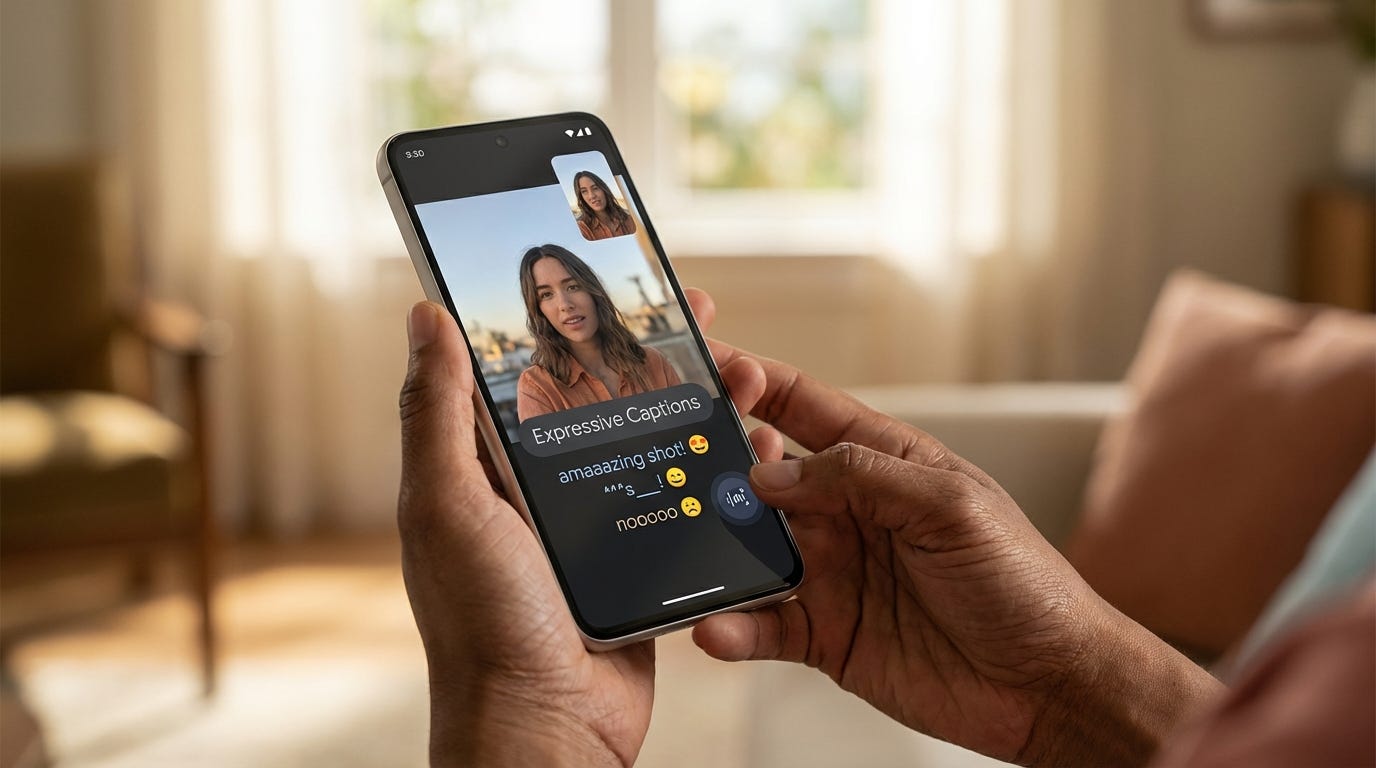
Google rolled out a suite of AI-powered accessibility updates for Android, including “Expressive Captions” that tag speaker emotions, improved image descriptions, and hands-free Voice Access powered by the Gemini assistant. The update also includes a new “dwell-based” auto-click feature for motor accessibility.
Source: Google Blog
New Framework for Accessible Coding
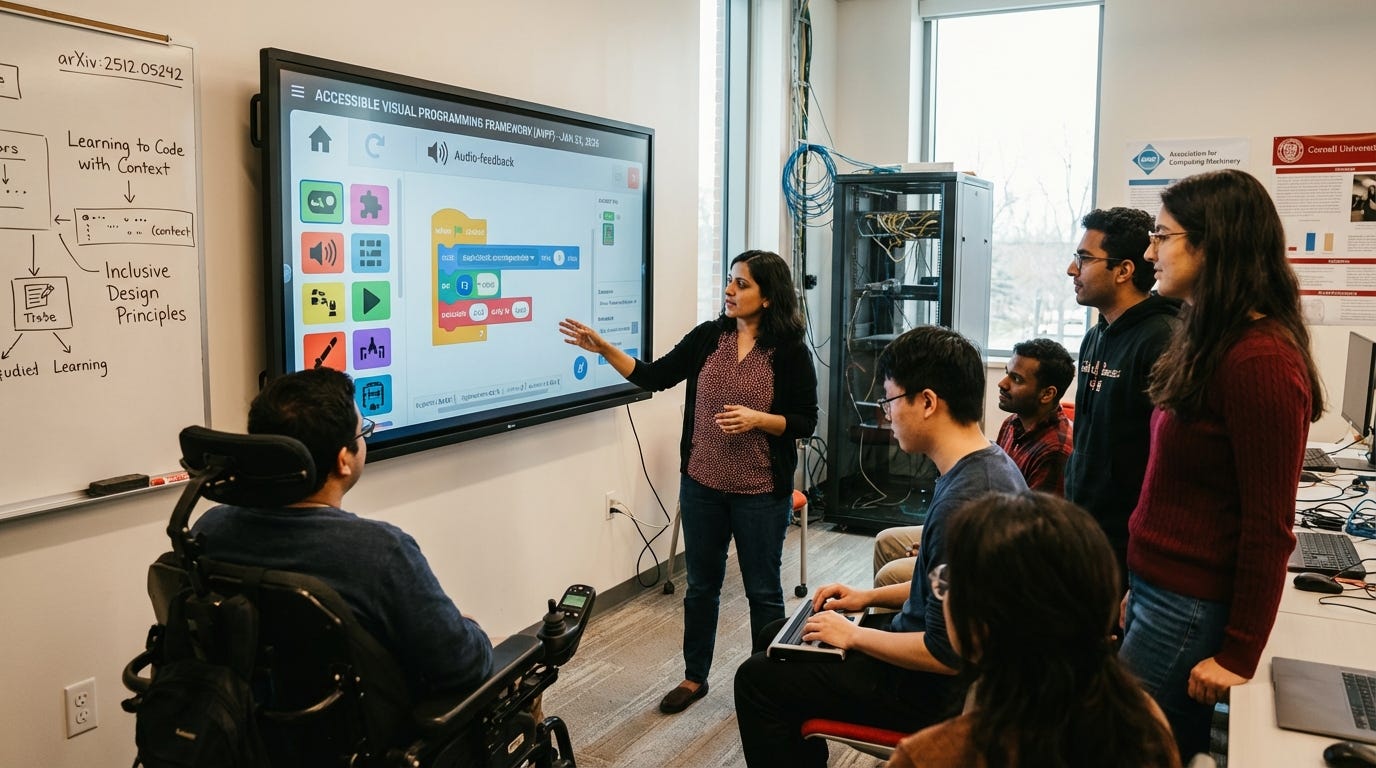
Researchers released a new extension-based framework designed to make Blockly—a popular visual programming environment used in education—accessible to blind and low-vision users. The system enables screen readers to navigate and manipulate code blocks effectively, addressing a longstanding barrier in STEM education.
Source: arXiv
Advancements in Multi-Line Tactile Graphics

Discussions at the Qatar Social and Cultural Center for the Blind focused on the “Monarch” device, a multi-line refreshable tactile display. The technology is being positioned as a solution for rendering complex STEM graphics, such as maps and geometric proofs, which have historically been difficult to access in real-time for blind students.
Source: The Peninsula Qatar
New York Proposes $5 Million for AT Innovation

Governor Kathy Hochul’s FY2027 Executive Budget Proposal includes $5 million to establish an “Assistive Technology Innovation Center.” The funding is explicitly targeted at bridging the gap between academic research and the commercial market for independent living hardware. The proposal also includes a grant program for adaptive clothing.
Source: NY.gov
State and Local Governments Automate Accessibility

New reports highlight a growing trend among state and local government agencies to automate digital accessibility compliance processes. This shift aims to meet stricter regulatory standards for public digital content and services ahead of upcoming federal deadlines.
Source: Route Fifty
On-Demand Interpreting Expands in Transit
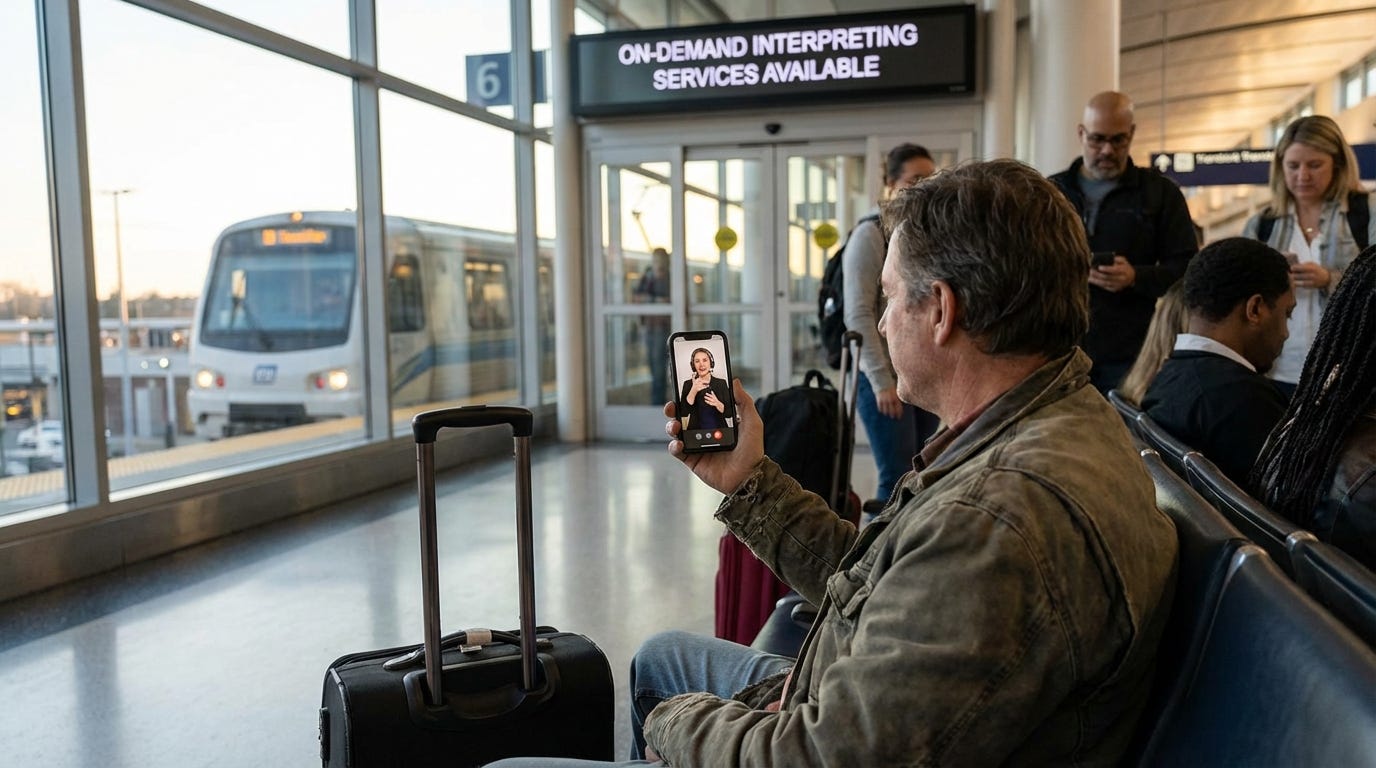
Pittsburgh Regional Transit (PRT) and Houston Airports (IAH and Hobby) launched on-demand interpreting services for travelers. The initiatives provide 24/7 access to sign language interpreters and visual interpreters for blind and low-vision users via smartphone apps, marking a move toward inclusive transit infrastructure.
Source: Mass Transit Magazine
ATIA 2026 Conference Begins Next Week
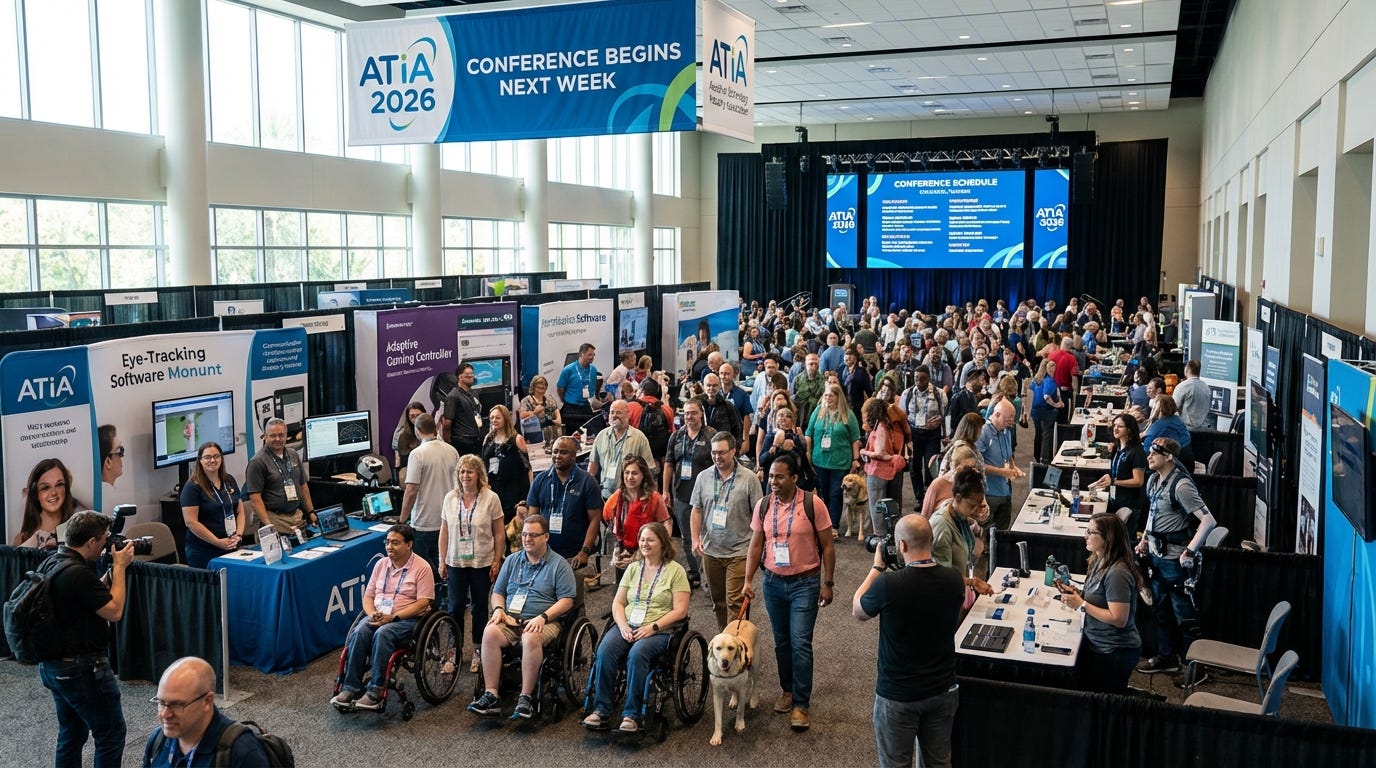
The Assistive Technology Industry Association (ATIA) conference is set for January 29–31 in Orlando. The agenda features sessions focused on the ethical application of AI in AAC, inclusive literacy strategies, and co-designing technology with users.
Source: ATIA
Registration Opens for Axe-con 2026
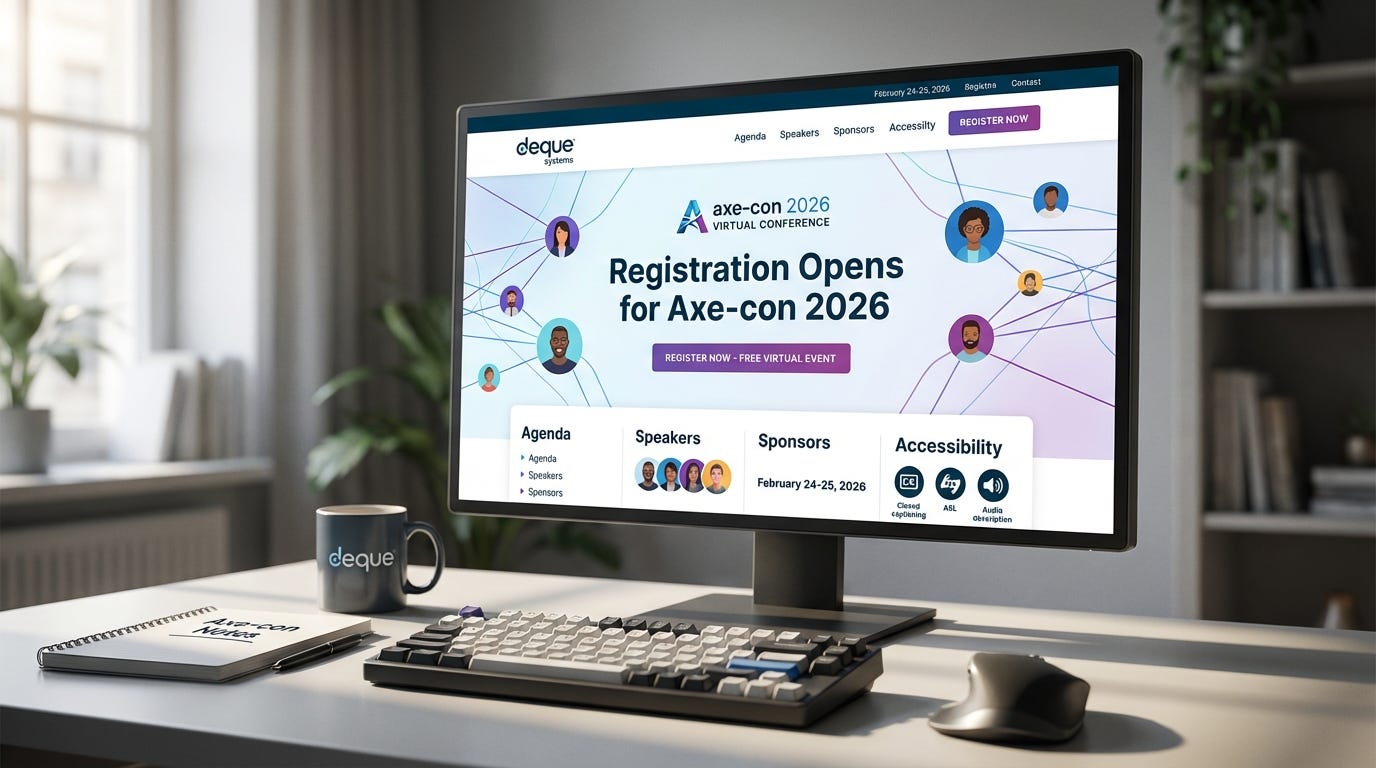
Deque announced that registration is open for Axe-con 2026 (Feb 24–25), a free virtual conference dedicated to digital accessibility. The event will cover technical testing, organizational maturity, and design compliance.
Source: Deque